
Pregnancy is an incredible journey filled with anticipation and excitement. As a woman embarks on this life-changing adventure, having the right support is crucial. Enter gynecologists—trusted medical professionals who play a pivotal role in pregnancy and birth care. Their expertise goes far beyond routine check-ups; they are dedicated to ensuring the health and well-being of both mother and baby throughout every stage of pregnancy. Choosing the right gynecologist can make all the difference, providing not just medical assistance but also reassurance during what can be a challenging time. Let’s explore how these experienced specialists guide women through one of life’s most beautiful processes: bringing new life into the world.
The Importance of Choosing a Trusted and Experienced Gynecologist
find a trusted obstetrician gynecologist in it crucial for any woman, especially during pregnancy. This relationship can significantly influence the health of both mother and child.
A knowledgeable gynecologist brings expertise to prenatal care. They offer guidance based on years of training and experience. Their insights help navigate the complexities of pregnancy, addressing concerns that may arise along the way.
Comfort and trust are essential in this partnership. Women should feel safe discussing sensitive issues regarding their health. An empathetic practitioner listens actively, providing reassurance when needed.
Moreover, an experienced gynecologist stays updated with medical advancements. This ensures that patients receive the best possible care tailored to their unique situations. Choosing wisely not only enhances physical well-being but also contributes to emotional support during this transformative journey.
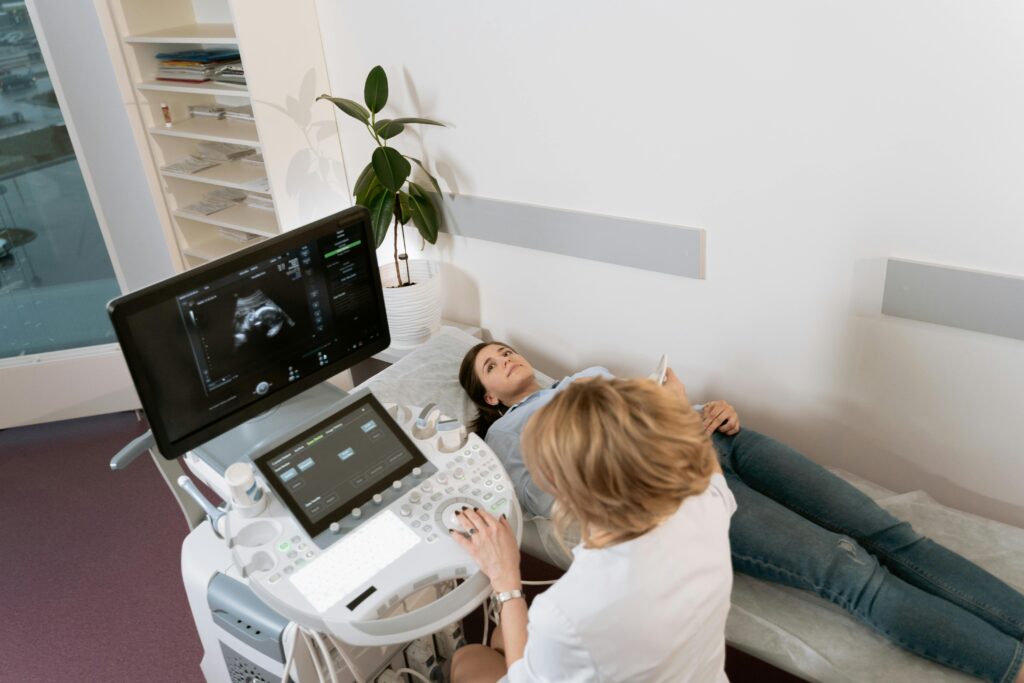
How Gynecologists Support Women During Pregnancy
Gynecologists play a vital role in supporting women throughout their pregnancy journey. From the moment a woman discovers she’s expecting, these medical professionals provide essential care and guidance.
They conduct regular check-ups to monitor both maternal and fetal health. This includes ultrasounds, blood tests, and screenings to ensure everything is progressing smoothly.
Gynecologists also offer invaluable advice on nutrition and exercise tailored for pregnant women. They help patients navigate lifestyle changes that promote optimal well-being during this transformative time.
Emotional support is another critical aspect of their role. Pregnancy can bring about various feelings—excitement, anxiety, or fear—and gynecologists are there to listen and address concerns.
Through education about labor options, pain management techniques, and infant care preparation, they empower women with knowledge for the upcoming challenges of motherhood. Their comprehensive approach fosters a strong foundation for healthy pregnancies and births.
Types of Prenatal Care Provided by Gynecologists
Gynecologists provide various types of prenatal care tailored to each woman’s needs. Routine check-ups are essential. These visits usually involve monitoring vital signs and weight, along with blood tests and ultrasounds.
Education is another critical component. Gynecologists discuss nutrition, exercise, and what to expect during pregnancy. They help expectant mothers understand the changes happening in their bodies.
Screenings for genetic conditions or complications may also take place. Early detection can make a significant difference in outcomes for both mother and baby.
Counseling on mental health is vital too. Pregnancy can bring emotional challenges, so having open conversations about anxiety or depression helps many women navigate this journey smoothly.
Gynecologists prepare patients for labor by discussing pain relief options and birth plans, ensuring they feel empowered when the big day arrives. Each aspect of prenatal care creates a foundation for a healthy pregnancy experience.
The Role of Gynecologists During Labor and Delivery
The role of gynecologists during labor and delivery is crucial for ensuring the safety and well-being of both mother and child. They monitor the progress of labor, provide essential medical support, and guide women through each stage with expertise. Gynecologists are trained to recognize any potential complications that may arise during this critical time.
They work collaboratively with other healthcare professionals, such as obstetricians or midwives, creating a supportive environment for expectant mothers. This team approach helps manage pain relief options, including epidurals or other interventions based on individual preferences and needs.
Gynecologists also play an important part in decision-making regarding delivery methods—whether vaginal birth or cesarean section—ensuring that patients receive personalized care tailored to their circumstances. Their presence provides reassurance to families facing uncertainties about childbirth.
After delivery, gynecologists continue their care by monitoring recovery and addressing postpartum concerns. This holistic approach ensures that new mothers feel supported beyond just the birth experience itself.
With trusted guidance from experienced gynecologists throughout pregnancy and into labor, women can embrace this transformative journey with confidence. The partnership empowers them not only as they welcome new life but also as they navigate motherhood’s challenges ahead.