
Making a big purchase can sometimes feel overwhelming. Whether it’s a new smartphone, furniture for your home, or even an expensive gadget, the price tag often makes you hesitate. But what if there was a way to ease that burden? Enter flexible payment plans—a smart solution designed to make those bigger purchases more manageable.
These plans allow you to break down the cost into smaller, bite-sized payments over time. You get what you want now without breaking the bank all at once. With growing options available across various industries, more people are discovering how flexible payment solutions can enhance their buying experience while keeping their finances in check. Let’s dive deeper into why these plans could be the answer you’ve been looking for!
Benefits of Flexible Payment Plans
Flexible payment plans can transform the way you handle larger purchases. They allow you to break down costs into manageable segments, making expensive items more accessible. Options such as laybuy australia can provide shoppers with a structured way to manage payments.
Budgeting becomes easier when payments are spread out over time. This approach reduces financial strain and lets you plan your spending without sacrificing essentials.
Another advantage is the ability to invest in quality products without paying upfront. You can enjoy what you need now while spreading the cost across several months or even years.
Moreover, many plans come with little to no interest, which means you’re not penalized for choosing a flexible option. This makes it possible for consumers to manage their finances better overall.
Flexible payment options often enhance purchasing power. You may be able to afford upgrades or features that would have otherwise been out of reach with traditional payment methods.
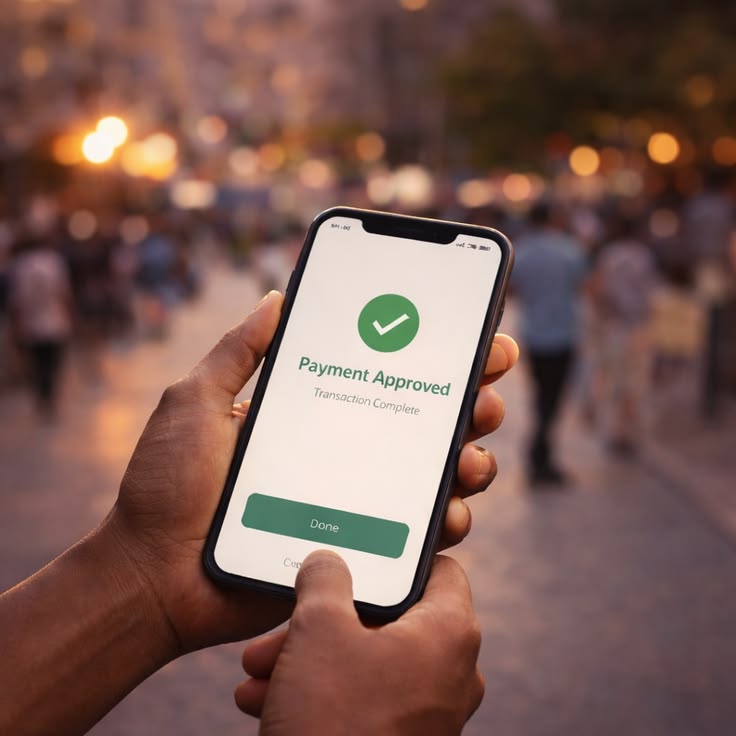
Different Types of Flexible Payment Plans
Flexible payment plans come in various forms, catering to different needs and preferences.
One popular option is the installment plan. Customers pay for their purchase over time through fixed monthly payments. This allows them to budget effectively without straining their finances.
Another type is the buy now, pay later (BNPL) scheme. With this approach, shoppers can enjoy immediate access to products while deferring payment for a set period. It’s perfect for those who want flexibility but might not have cash on hand right away.
Leasing agreements also fall under the flexible payment umbrella. Instead of purchasing outright, consumers can rent items for a specified duration with an option to buy at the end.
Subscription models are gaining traction across many industries. Here, customers make periodic payments for continuous access to services or products rather than paying upfront fees. Each model offers unique advantages tailored to diverse financial situations and buying habits.
Examples of Companies Offering Flexible Payment Plans
Many companies recognize the appeal of flexible payment plans, making big-ticket items more accessible. Retail giants like Amazon have integrated financing options that allow customers to split their purchases into manageable installments.
In the furniture industry, Wayfair offers a “buy now, pay later” service through third-party providers. This enables shoppers to furnish their homes without immediate financial strain.
Tech brands such as Apple and Samsung also provide financing for electronics. Customers can enjoy the latest gadgets while paying over time, easing budget concerns.
Even healthcare services are adapting; some medical facilities offer payment plans for procedures and treatments. This flexibility helps patients prioritize their health without overwhelming costs upfront.
Travel agencies increasingly feature installment options too, allowing adventurers to book vacations with minimal initial expense. With so many choices available, consumers can find a solution tailored to their needs.
Risks and Considerations to Keep in Mind
While flexible payment plans offer numerous advantages, it’s essential to approach them with caution. One of the primary risks is accumulating debt. Spreading out payments can make a purchase feel more manageable, but it might lead to overspending if you’re not careful.
Additionally, you should pay attention to interest rates and fees associated with these plans. Some companies may charge high-interest rates for installments, which could end up costing you more in the long run. It’s crucial to read the fine print before committing.
Another consideration is your financial stability. If there’s uncertainty about your income or expenses, taking on a new payment plan could strain your budget further down the road. Always evaluate whether you can meet those monthly obligations without stress.
Some businesses may have strict repayment terms that could impact your credit score if missed payments occur. So be sure to choose wisely and consider all aspects of any finance option you’re thinking about using.
With careful planning and educated choices, flexible payment plans can indeed simplify larger purchases while keeping finances in check.