Your vehicle is more than just a mode of transportation; it’s an extension of your personality and style. Maintaining its pristine appearance can sometimes feel like a full-time job, especially with the daily wear and tear from road debris, harsh weather conditions, and the occasional rogue shopping cart. Enter Paint Protection Film (PPF)—a game-changer in automotive care that promises to shield your car’s paint from scratches, stains, and fading.
But what exactly is PPF? And how do you know which coverage package suits your needs best? With various options available on the market today, understanding the right fit for your vehicle can be overwhelming. Fear not! This guide will navigate you through everything related to PPF coverage packages and pricing so you can make an informed decision while keeping that showroom shine intact. Let’s dive in!
What is Paint Protection Film (PPF)?
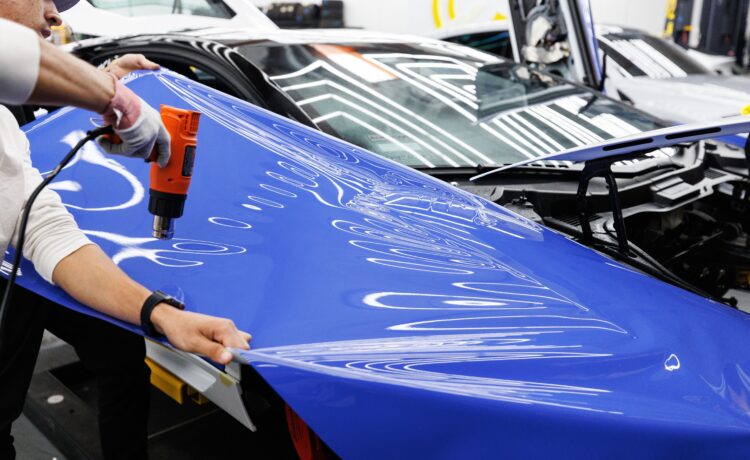
Paint Protection Film, commonly known as PPF, is a clear thermoplastic urethane film designed to safeguard your vehicle’s exterior. This innovative material adheres directly to the painted surfaces and offers an invisible barrier against environmental hazards.
Paint Protection Film Protection Cost & Installation is highly valued, durable and resistant to scratches, chips, and stains. It also guards against UV rays that can cause paint fading over time. The film effectively preserves your car’s aesthetic appeal while enhancing its resale value.
One of the standout features of PPF is its self-healing properties. Minor abrasions or swirl marks often disappear with heat exposure from sunlight or engine warmth. This means your vehicle maintains its sleek look without constant touch-ups.
With various options available on the market today, PPF caters to different needs and budgets—making it a popular choice among car enthusiasts and everyday drivers alike.
Benefits of Using PPF on Your Vehicle
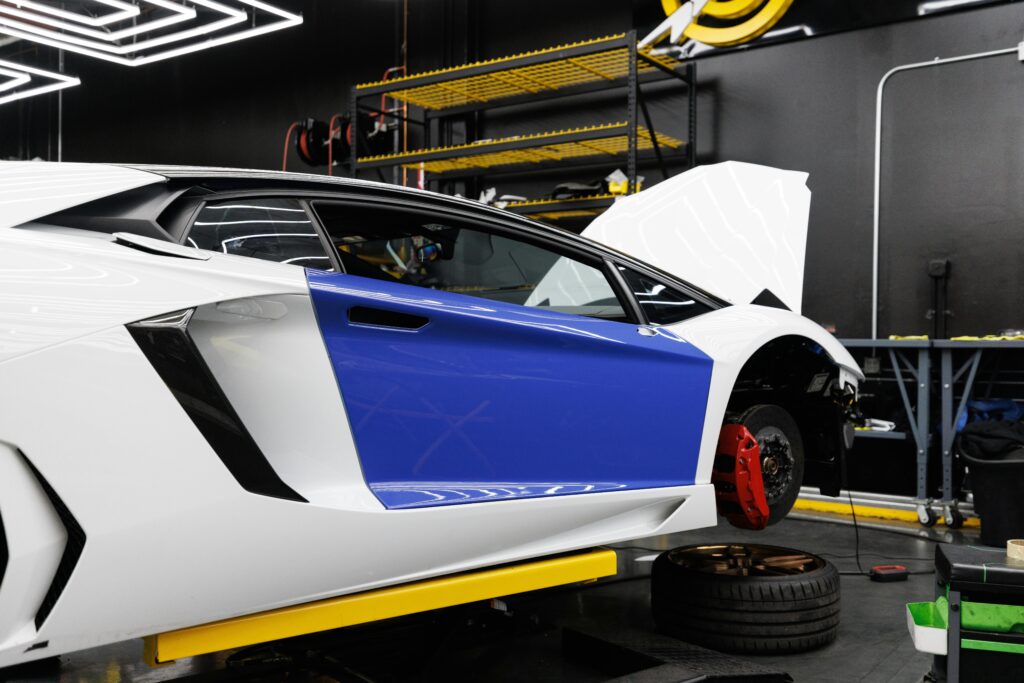
Paint Protection Film (PPF) offers a robust shield for your vehicle’s exterior. It acts as a barrier against the daily wear and tear that cars face.
Think about scratches, dings, and chips from road debris. PPF minimizes these risks, keeping your paint job looking pristine longer.
Another advantage is its self-healing properties. Minor scratches can vanish with heat exposure, maintaining an immaculate finish without needing constant touch-ups.
UV protection also plays a significant role. PPF helps prevent fading caused by sun exposure, ensuring vibrant colors for years to come.
Additionally, the application of PPF can enhance resale value. A well-maintained exterior will attract potential buyers more than one showing signs of damage or age.
Maintenance is easier with PPF in place. Regular washes become simpler since dirt and grime have less chance of adhering to the surface.
Factors That Affect PPF Coverage Packages and Pricing
Several variables influence the cost and coverage of paint protection film (PPF). One primary factor is the type of vehicle. Luxury cars or larger SUVs typically require more material, driving up costs.
The complexity of your car’s contours also plays a role. Custom installations on vehicles with intricate designs may need additional labor and materials.
Another consideration is the quality of the PPF itself. Higher-end films offer better durability and self-healing properties but come at a premium price.
Installation expertise matters too. Experienced installers might charge more for their services, reflecting their skill level and attention to detail.
Market demand can affect pricing in different regions. Areas with higher competition may see lower prices, while exclusive neighborhoods could command a premium for PPF services.
Different Types of PPF Coverage Packages
Paint Protection Film (PPF) comes in various coverage packages designed to meet different needs. The most common options are full wraps, partial front coverage, and specific area protection.
A full wrap offers maximum defense for your vehicle. It covers every inch of the exterior, ensuring complete shield against dirt, debris, and UV rays.
Partial front coverage typically protects high-impact areas like the hood, fenders, and mirrors. This package is ideal for those looking to save on costs while still safeguarding vulnerable sections.
For targeted protection, you can choose specific area packages. These focus on selected parts like door edges or bumpers. They provide flexibility without committing to a full wrap.
Each type has its own benefits catering to different budgets and preferences. Consider how you use your vehicle when selecting a package that suits your lifestyle best.
Understanding the Cost Breakdown of PPF Installation
When considering paint protection film, it’s essential to understand how pricing works. The cost can vary based on several factors.
First, the size of your vehicle plays a significant role. Larger vehicles typically require more material and labor, leading to higher costs. Conversely, smaller cars may have lower installation fees due to decreased time and materials needed.
Next is the type of film you choose. High-quality films come with advanced features like self-healing properties or superior clarity but may also be pricier than standard options. It’s worth investing in quality if you want lasting protection.
Labor costs are another critical aspect. Experienced professionals charge more for their expertise, but this often results in better application and longevity of the film. A poor installation could lead to issues down the line that might negate any savings made initially.
Location can also influence prices dramatically; urban areas tend to have higher labor rates compared to rural locations due to demand and overhead costs.
Consider additional services such as custom cutting or special treatments that might raise your overall bill. These extras can enhance durability or aesthetics but will impact your final price tag.
By understanding these details about PPF installation costs, you’ll be better prepared for what lies ahead when protecting your vehicle from everyday wear and tear.