

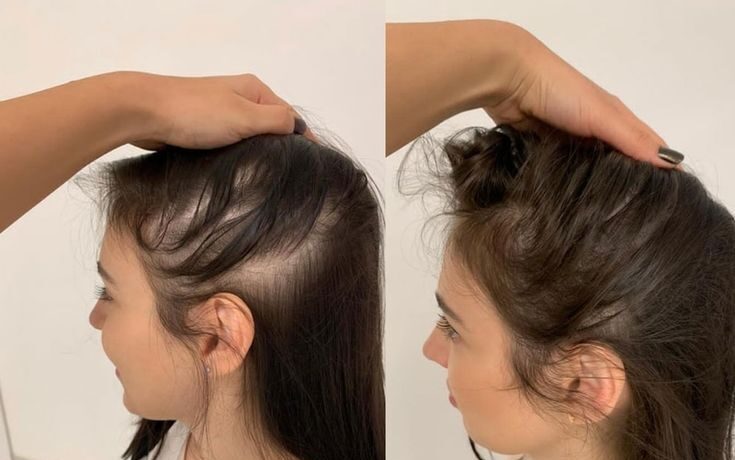
Hair loss is often seen as an issue reserved for older generations. However, many young people face this challenge too. The emotional toll can be significant when you’re still trying to find your identity and navigate social situations. Understanding the journey of hair restoration can empower you to make informed decisions about your appearance and self-esteem.
If you’re experiencing thinning hair or bald patches, it’s essential to know that you’re not alone—and there’s hope. Before diving into treatments or consultations, let’s explore some critical aspects of hair loss that every young person should consider. From common causes to available options, arming yourself with knowledge will help pave the way toward a more confident future.
Understanding Hair Loss
Hair loss can be a perplexing experience, especially for young individuals. It often begins gradually and may go unnoticed at first. Over time, noticeable changes can lead to frustration and anxiety. Understanding the advantage of hair transplants for young adults can help provide hope and direction during this stage.
Understanding hair loss starts with recognizing that it’s a natural process. On average, people lose 50 to 100 hairs daily without even realizing it. This shedding is part of the hair growth cycle.
Genetics play a significant role in determining who experiences hair loss and when it begins. Conditions like androgenetic alopecia—commonly known as male or female pattern baldness—are hereditary and can start in your teens or early twenties.
Hormonal changes, stress levels, nutritional deficiencies, and medical conditions are other contributing factors to consider. Each person’s situation is unique, making awareness crucial as you navigate this journey toward restoration and self-acceptance.
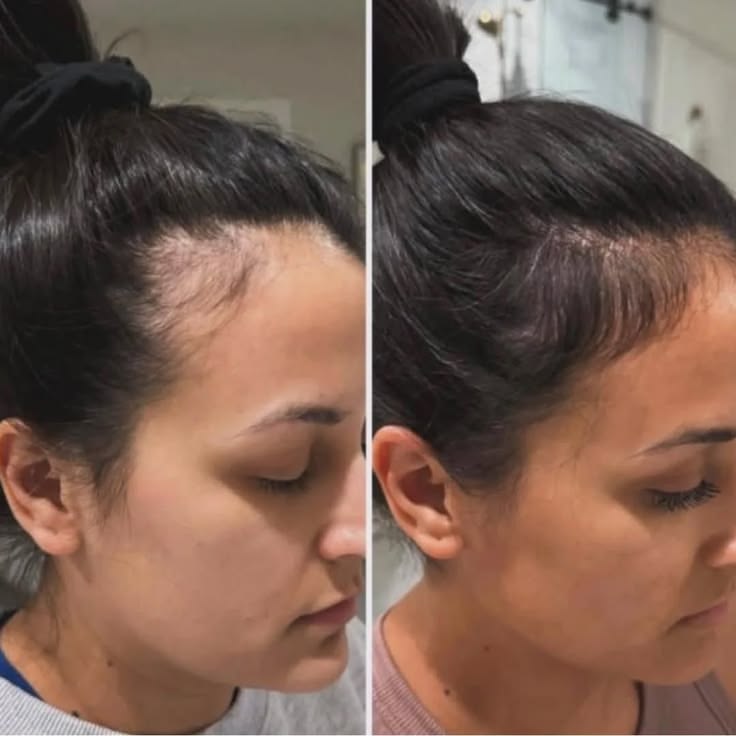
Common Causes of Hair Loss in Young People
Hair loss can be a surprising challenge for young adults. It often stems from various factors that can affect anyone, regardless of age.
Genetics plays a significant role. If your family has a history of baldness, you may experience similar patterns early on. Hormonal changes also contribute, especially during puberty or times of stress.
Lifestyle choices shouldn’t be overlooked either. Poor nutrition and lack of essential vitamins can weaken hair follicles. Stressful situations—whether academic pressure or personal issues—can trigger shedding as well.
Certain medical conditions like thyroid disorders are common culprits too. They disrupt the balance in your body and may lead to noticeable hair thinning.
Medications might have side effects leading to hair loss as well. Always consult with healthcare professionals if you’re concerned about new prescriptions affecting your locks.
The Importance of Consulting a Professional
When considering hair restoration, seeking professional advice is crucial. A trained expert can assess your specific situation and determine the most appropriate options for you.
Consulting a dermatologist or a specialized clinic allows for an accurate diagnosis of your hair loss type. This step helps in identifying underlying conditions that may require treatment beyond cosmetic solutions.
Professionals stay updated on the latest techniques and technologies in the field. They can guide you through both non-surgical and surgical choices, ensuring you make informed decisions tailored to your needs.
Moreover, they offer realistic expectations regarding results and recovery time. Understanding what to anticipate can help alleviate anxiety about the process.
Taking this step is not just about restoring hair; it’s also about enhancing self-esteem and confidence with expert support every step of the way.
Non-Surgical Options for Hair Restoration
When it comes to hair restoration, non-surgical options are gaining popularity among young people. These methods often provide a less invasive approach with minimal downtime.
One of the most well-known treatments is topical minoxidil. This FDA-approved solution can stimulate hair growth and is available over-the-counter. Users typically apply it directly to the scalp, making it easy to incorporate into daily routines.
Another option is low-level laser therapy (LLLT). Using specialized devices like combs or caps, this treatment uses light energy to promote follicle health and enhance growth cycles. Many find this method convenient for home use.
Platelet-rich plasma (PRP) therapy offers promising results by utilizing your body’s own healing properties. A small amount of blood is drawn and processed before being injected into thinning areas, encouraging natural regrowth.
These methods might not yield immediate results but they offer hope without surgical intervention.
Surgical Options for Hair Restoration
For those who are facing significant hair loss and have explored other options, surgical techniques offer a viable solution. Hair transplant surgery is one of the most popular procedures available today. It involves moving hair follicles from a donor area to areas experiencing thinning or balding. This method can provide natural-looking results and lasting effects.
Another option is scalp reduction surgery, which removes sections of bald scalp and stretches the surrounding hair-bearing skin over it. This procedure may not be as commonly performed but can be effective in specific cases.
Before considering any surgical intervention, it’s essential to do thorough research. Consult with certified professionals who specialize in hair restoration to ensure you’re making an informed decision about your health and appearance.
Remember that every individual’s situation is unique; what works for one person might not work for another. Taking the time to understand all available options will empower you on your journey toward restoring your confidence and achieving fuller hair once again.

