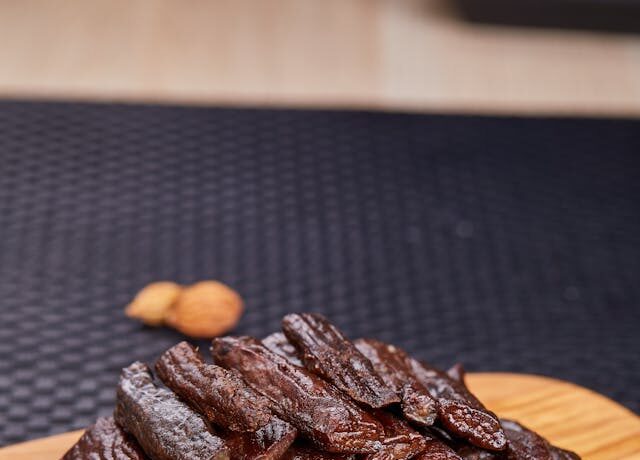
The snack business in Australia has undergone significant transformation in recent years due to customers’ growing desire for natural and healthier food options. A lot of individuals are avoiding highly processed snacks in favour of ones with simpler ingredients and more nutritional value. Dried beef snacks have grown in popularity among these possibilities.
Products like jerky and biltong are popular because they are convenient to eat on the go and offer a high protein content. Convenient snacks that don’t need to be refrigerated are especially appealing to Australians who have busy lives. Snacks made from dried beef provide a convenient and filling choice for work, vacation, or after a workout.
Originating in Southern Africa, biltong has become more well-known in Australia because of its distinct flavour and age-old preparation techniques. Since biltong is usually air-dried rather than cooked or smoked, it has a unique flavour and texture that many customers find appealing, in contrast to some other preserved meats.
International delicacies like biltong are becoming more commonly found in supermarkets, speciality shops and online marketplaces as a result of Australia’s growing multicultural culinary culture.
What Sets Biltong Protea Foods Apart
Biltong protea food is one item that has caught the interest of biltong fans. This product, which is well-known for providing biltong made in the traditional manner, reflects the genuine curing techniques that have been employed for many generations.
Carefully chosen meat slices, usually beef, are the starting point for traditional biltong. Using salt, vinegar, coriander, and other spices, the meat is marinated after being cut into strips. In addition to adding flavour, this marinade keeps the meat fresh while it dries.
The meat must then be allowed to air dry in a regulated setting. The meat retains its soft texture and develops a rich taste thanks to this slow drying procedure. Biltong has a unique flavour that distinguishes it from other dry beef snacks because it is usually not cooked during preparation.
Products that uphold these historic practices are frequently valued by customers who cherish genuine culinary heritage. The final product’s distinctive character is enhanced by the use of basic ingredients and delayed processing methods.
How to Make and Savour Biltong
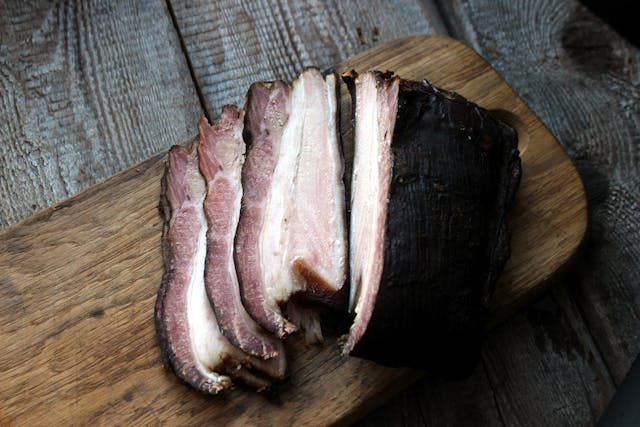
Biltong is prepared in a number of stages that are intended to guarantee taste and preservation. Producers choose high-quality slices of beef, cut them into long strips, and then coat them with a vinegar and spice mixture.
One of the key ingredients in traditional biltong preparations is coriander. The meat’s richness complements its fragrant flavour. To produce distinct flavour profiles, other ingredients may be added, such as salt, black pepper, and occasionally garlic or chilli.
After marinating, the meat is hung in a drying area with good ventilation so that moisture can gradually escape. Depending on the required amount of dryness and the surrounding conditions, this process could take several days.
While some like a harder, drier texture, others prefer slightly moist biltong that is yet soft and simple to chew. The biltong can be chopped into tiny snack-sized quantities or thinly sliced after drying.
One of the reasons biltong has been a popular snack for generations is the ease of preparation.
The Reasons Australian Customers Find Biltong Appealing
For a number of reasons, biltong has grown in popularity among Australians. Its nutritional profile is one of the most crucial aspects. Many biltong products are appealing to those on high-protein or low-carb diets since they are high in protein and relatively low in carbs.
Additionally, the snack is a good fit for Australia’s active lifestyle. Hikers, campers, and road trippers are among the outdoor enthusiasts that frequently seek out portable snacks that offer sustained energy. These requirements are satisfied by biltong, which also has a flavourful and filling taste.
Biltong can also be added to a variety of recipes in addition to being consumed by itself. Some people put it on charcuterie boards with crackers and cheeses, while others add it to salads, omelettes, or sandwiches.
Biltong has made a name for itself in Australia’s varied snack sector as interest in traditional cuisine keeps rising. Its strong flavour, straightforward ingredients, and lengthy history continue to draw in new devotees who are keen to sample real international flavours.