Your home is your sanctuary, a place where you create memories and find comfort. But lurking behind the walls and ceilings may be hidden electrical hazards that could jeopardize your peace of mind. Regular electrical inspections are more than just a recommendation; they are essential for protecting your property and ensuring safety for everyone inside. Neglecting this vital aspect of home maintenance can lead to significant issues down the line. So, let’s dive into why these inspections matter, what common problems to watch out for, and how regular check-ups can actually save you money in the long run.
The Importance of Electrical Inspections
why electrical safety inspections matter for homes and businesses a safe living environment. They help identify potential hazards that could lead to fires, shocks, or equipment failures.
Many homeowners underestimate the risks associated with outdated wiring or faulty circuits. These issues can be silent threats, often going unnoticed until it’s too late.
Regular inspections provide peace of mind. Knowing your electrical system is in good condition allows you to focus on what truly matters—your family and daily life.
Additionally, these check-ups promote energy efficiency. An optimal electrical system consumes less power, leading to lower utility bills and reducing your carbon footprint.
Investing in routine inspections not only protects your property but also enhances its value over time. A well-maintained electrical system adds appeal for future buyers should you decide to sell your home down the road.
Common Electrical Issues in Homes
Electrical issues in homes can often go unnoticed, leading to larger problems down the line. One frequent concern is flickering lights. This could indicate loose bulbs or wiring troubles that need immediate attention.
Another common problem is tripped circuit breakers. If your breaker trips frequently, it might be overloaded or wired incorrectly. Ignoring this issue can pose serious safety risks.
Outlets that fail to work properly are also prevalent. Dead outlets may signal faulty connections or even a more significant electrical hazard lurking behind the walls.
Burning smells shouldn’t be ignored. They often point to overheating wires and potential fire hazards within your home’s electrical system. Staying vigilant about these signs ensures a safer living environment for you and your family.
How Regular Inspections Can Prevent Damage and Save Money
Regular electrical inspections are essential for maintaining a safe home. They catch issues before they escalate into costly repairs or dangerous situations.
Over time, wiring can deteriorate, outlets can become faulty, and circuit breakers may fail. An inspection identifies these problems early on, preventing potential disasters like fires or power outages.
Additionally, addressing minor concerns promptly often requires less investment than waiting for significant failures. For instance, replacing a frayed wire is far cheaper than fixing fire damage caused by that same wire.
Moreover, many insurance companies offer discounts to homeowners who prioritize regular inspections. This means not only peace of mind but also financial savings in your pocket.
Taking the proactive approach to electrical safety enhances your property’s longevity while ensuring you avoid unexpected expenses down the line. Regular checks empower you to maintain control over your home’s electrical health effectively.
Choosing a Qualified Electrician for the Job
When it comes to electrical work, choosing the right electrician is crucial. Look for someone with proper licensing and insurance. This provides peace of mind that the job will be done safely and legally.
Experience matters too. An electrician who has tackled various projects can handle unexpected issues more effectively. Ask about their previous work or seek reviews from past clients.
Don’t hesitate to get multiple quotes before making a decision. This helps you gauge pricing and understand what’s included in each service package.
Communication is key as well. A qualified electrician should be willing to explain their process clearly and answer any questions you may have without hesitation.
Trust your instincts. If something feels off during your conversation, it might be best to continue your search for the right professional for your needs.
What to Expect During an Inspection
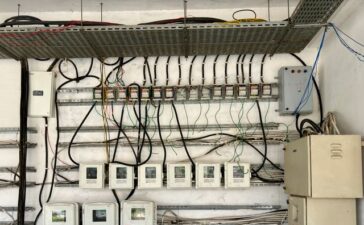
Understanding what happens during an electrical inspection can help you feel more prepared. When a qualified electrician arrives, they’ll start by assessing your entire electrical system. This includes checking the service panel, outlets, and wiring throughout your home.
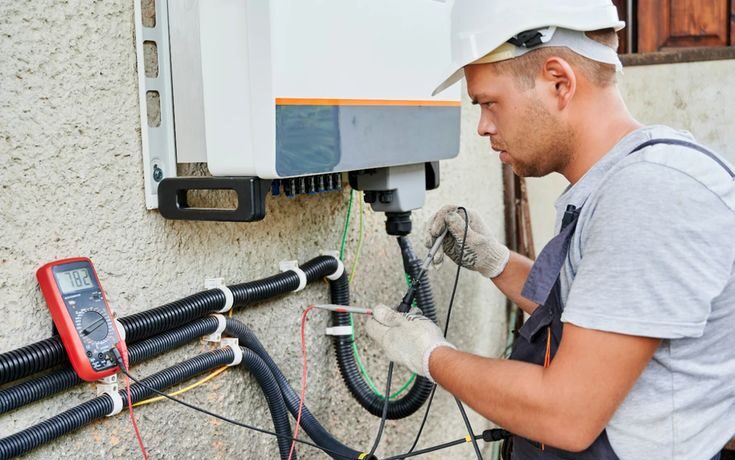
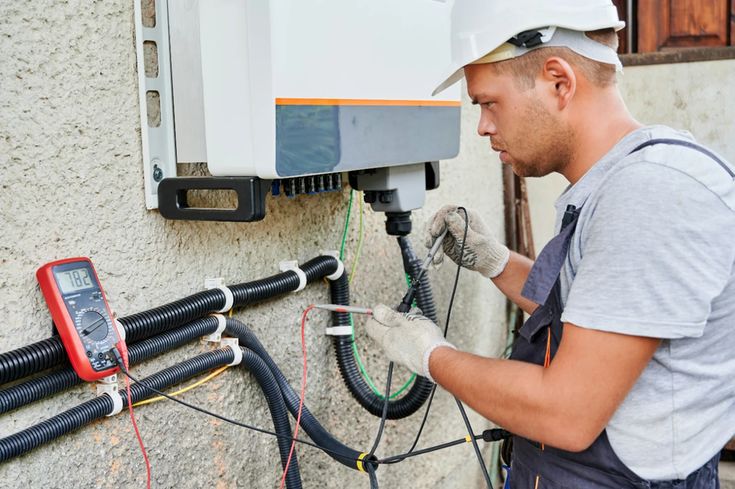
The process usually begins with a visual inspection. The electrician will look for any obvious signs of wear or damage. They’ll check for outdated components that may pose safety risks. After this initial assessment, they often use specialized tools to test circuits and outlets.
Expect them to measure voltage levels and ensure everything is operating safely within code guidelines. They may also examine smoke detectors and GFCI outlets to confirm they function correctly.
You should encourage questions during the inspection. A good electrician will be happy to explain their findings in layman’s terms so you can understand any issues or potential hazards without feeling overwhelmed.
After completing the inspection, you’ll receive a detailed report outlining their observations along with recommendations for repairs or upgrades if necessary. Regular inspections make it easier to maintain your home’s electrical integrity while preventing costly problems down the road.
Staying proactive about electricity in your home not only ensures safety but also contributes positively towards preserving property value over time.