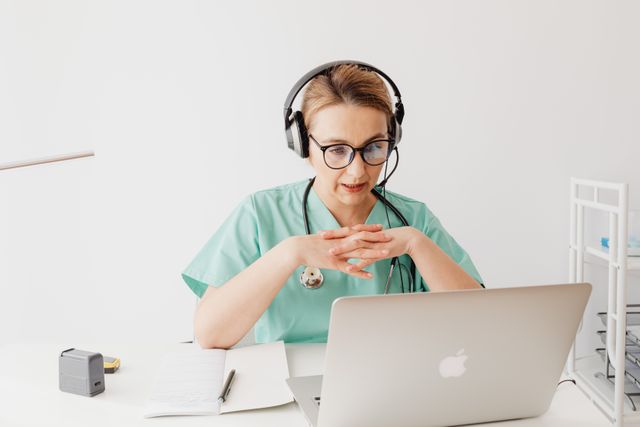
The rapid adoption of telehealth psychology in Australia during the 2020 2021 period was really driven by necessity. A whole lot of people were surprised when the quality of the clinical evidence started coming in. It showed that telehealth delivery of evidence-based psychological therapies was pretty much just as effective as in-person delivery, for just about every type of presentation and most patients. That was a pretty big deal. It’s shaped the way psychological services are delivered in Australia for good. A lot of telehealth psychologist now offer video-based sessions as the standard option, not as an afterthought or a temporary fix. For people in regional or remote areas who are a long way from a therapist, or those who have work commitments that make it hard to get to appointments, or people with presentations that don’t really need a physical presence, telehealth is now just a normal part of the clinical landscape.
What Actually Works Remotely?
The therapies that are backed up by the strongest evidence, that’s Cognitive Behavioural Therapy, Acceptance and Commitment Therapy and mindfulness-based stuff, have all come out looking pretty similar in terms of results whether they’re done in person or over video calls. That’s because they’re basically all about having a conversation, teaching people new skills and techniques and giving them homework to do. All those things work just as well over video as they do in a room. Where telehealth starts to struggle a bit is with complex trauma work that relies on people being really aware of their bodies and their surroundings. It also has limitations with neuropsych assessments that need to happen in a super-controlled environment, and with situations where a psychologist needs to be able to pick up on some of the more subtle things that people are doing or saying. Those things can be harder to spot over a video link.
The Technology Side: What You Need for a Good Session
A telehealth psychology session needs a few basics, a decent internet connection, a device that can take a video and transmit it without a hitch, and a private space where the person can actually talk without being overheard. If you’re being honest, private space is probably the biggest challenge most people face. It’s not always easy to find a quiet space at home that’s not going to be disturbed. A lot of people accessing telehealth sessions are doing so from their living rooms, which aren’t always the most private places. That can make a real difference to the way the therapy works. Psychologists working over video need to make a point of checking whether the person has got a space that’s going to work for the session. It’s not something you can just assume.
Medicare Rebates and Telehealth Psychology Billing
Medicare rebates do apply to telehealth psychology sessions, but only as long as they’re under a valid Mental Health Care Plan, and they get the same rebate rate as in-person ones. The upshot is, patients who opt for telehealth aren’t worse off financially compared to the people who go in for a face-to-face visit. One thing to keep in mind is that out-of-pocket costs can vary between different practices. Some charge the same rate for both, while others knock off a teensy bit less. It’s a good idea to check out their fee structure before you book that first appointment. That helps you avoid any nasty surprises later on.
Choosing a Telehealth Psychologist
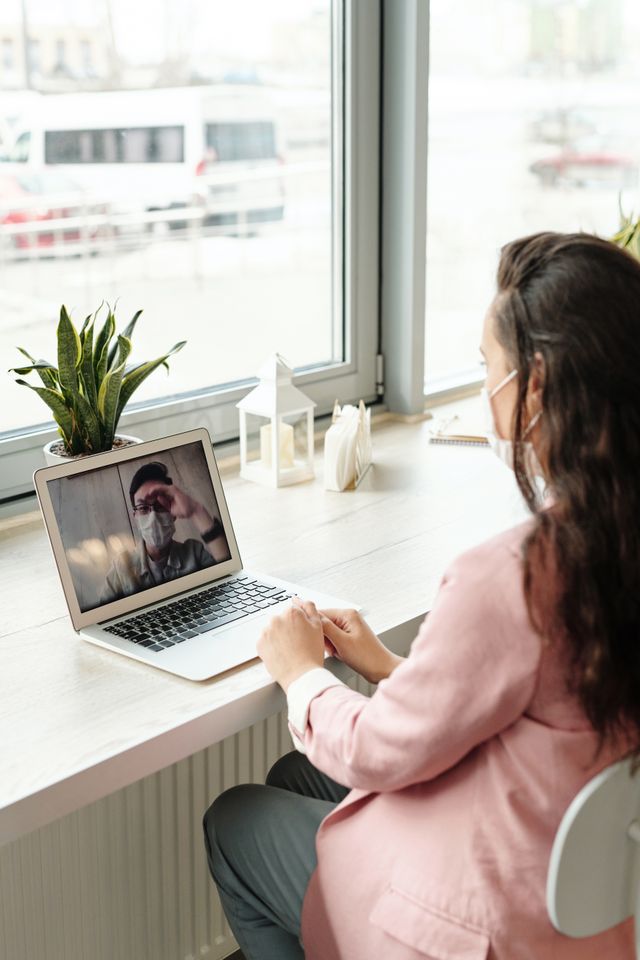
Getting rid of the distance factor in telehealth suddenly makes it a heck of a lot easier to find a psychologist you might be a good fit for. It doesn’t change what really matters when it comes to finding the right one. You still need to think about their approach, what areas they specialise in, how well you get on with them, and how much experience they’ve got. Whatever the format of therapy, all those things are still key to whether or not it actually works. When you’re booking that first telehealth consultation, there are some things you should probably be asking. Has this psychologist had any experience with what’s going on with you currently? What sort of approach do they take to treating people? What can you expect their treatment to look like? A psychologist who gives you straight answers to those questions is showing they’re good at what they do. They’re also being pretty transparent about what they can do for you, which is a great start to building a relationship with them.