Heating and cooling a big house often isn’t just a matter of buying the biggest air conditioning unit you can find. Australian homes with lots of bedrooms, open plan living spaces and plenty of people living there need a system that can give them consistent comfort without breaking the bank on power bills. For many homeowners, the choice comes down to either a ducted air conditioning system or a multi-split system. Both of them work using reverse cycle heat pump tech, but they’re different when it comes to the cost of installing them, how energy efficient they are, how well you can zone different areas of the house, how much maintenance they need and how expensive they are to run long term. Since heating and cooling are responsible for around 40% of a household’s energy usage in a lot of Aussie homes, picking the right system can have a real impact on both how comfortable you feel and how much you end up paying.
System Design and How Effectively It Copes with Space
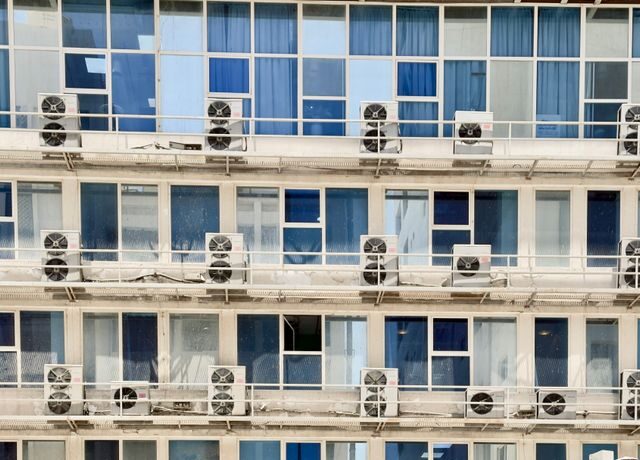
Ducted air conditioning systems use a central indoor unit connected to a network of ducts that carry conditioned air all around the house, making the whole house comfortable from a single system. This design is pretty common in Aussie homes with 4 or more bedrooms in them. By contrast, multi-split systems use a different approach by connecting several indoor units to one outdoor condenser. Each room can be heated or cooled independently. Research done by Aussie energy authorities shows that ducted systems usually provide a more even temperature across a big house because the conditioned air is being circulated at the right time. Multi-split systems, on the other hand, let you set a different temperature for each room. This can be handy in homes where some rooms are empty for long stretches.
Installation Costs and The Initial Investment
One of the biggest factors that usually ends up deciding which system you go with is how much it’s going to cost to install it. Here in Australia, putting in a ducted air conditioning system in a big house can cost anywhere between AUD 10,000 and AUD 20,000, depending on how big the system is, how easy it is to get to the roof and what kind of zoning you need. Multi-split systems designed to serve 4 to 6 rooms usually cost between AUD 7,000 and AUD 15,000. When people in Melbourne are looking at options for split system installation Melbourne, they often find that multi-split systems are cheaper to get installed because you don’t need to put in a load of ductwork all over the roof. The more indoor units you add, however, the smaller that cost advantage becomes. A multi-split system that covers 6 rooms needs a lot more refrigerant pipework, electrical connections and wall-mounted units. This all adds to the cost. In big homes that need more than 6 conditioned areas, a ducted system will often start to look more cost-effective when you look at the total cost of installation on a room-by-room basis.
Energy Efficiency and Running Cost Analysis
The efficiency of the system you need really depends on how you live. Australian Government advice reckons that non-ducted split systems are among the most efficient because they avoid the energy-sucking losses you get with ductwork. It makes sense because studies have shown that if the ducts in your home aren’t properly insulated or installed, you can lose up to 30% of your system’s overall efficiency. This is especially true if those ducts have to pass through hot roof spaces.
Comfort Performance in Large Homes
Efficiency isn’t everything. Keeping the house at a comfortable temperature is important too. In a big house with long hallways, open plan living and lots of different activity areas, it can be tricky to keep everything at the same temperature all the time. Ducted systems tend to do pretty well in these situations because they spread the air evenly across the whole house and keep the temperature more consistent.
Reliability, Maintenance, and Lifecycle Considerations
Then there’s maintenance. Ducted systems are usually a bit of a pain to work on because they’re all centralised. If something goes wrong in the central system, it can take out the whole house. Multi-split systems spread that risk around, so if one unit does go wrong the others usually keep going. On the other hand, you do have to keep the individual units in better nick, which can add up over time. Over a typical 10 to 15-year life, you might find that while the repairs are cheaper, the total cost of keeping all the individual units in good nick is actually higher than keeping a single ducted system going.