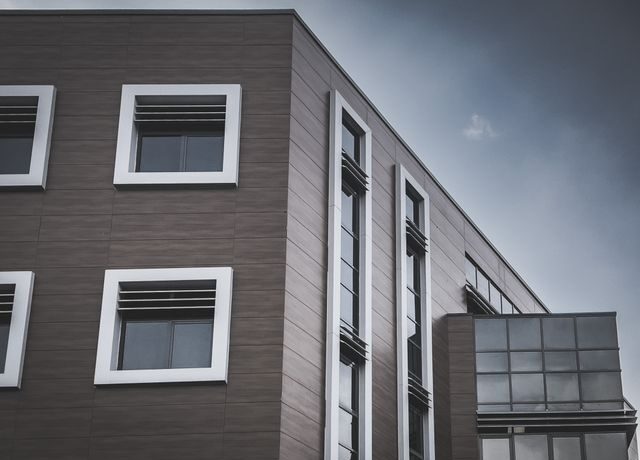
Take a drive through Melbourne’s middle ring suburbs and there is one thing you will notice about buildings – the old-fashioned chalky bronze aluminium window frames. There is nothing wrong with those frames; they open and close as good as ever. It is just that those frames drag down an otherwise modern facade, and this is where window cladding Melbourne comes in.
When Old Window Frames Drag Down a Building?
Window cladding involves placing a new metal layer over the current frame. The owner is able to retain all the functionality of the current windows, and at the same time change the appearance of these windows entirely. In apartments, it becomes much easier to refurbish several windows without any major disturbance to the residents.
When Cladding Just Won’t Cut It
Cladding can disguise a problem, but it can’t fix a dodgy frame. Slapping some new cladding on a damaged window is just covering up the issue – and it usually makes things worse over time. Before you even think about cladding, you need to look for warning signs like:
- That timber is starting to rot, or looks soft, or just plain cracked.
- Water’s already starting to leak in around the frame.
- Seals are busted, or the hinges are shot, or the windows won’t shut properly.
- The frame itself is loose, or the wall behind it is weak.
You can’t improve things with a cosmetic upgrade if the frame is shot. Get those problems fixed first and then cladding can be the finishing touch, not a desperate attempt to hide the problem.
Not All Cladding is Created Equal
There are heaps of different products masquerading under the window cladding banner:
- Folded Aluminium Sheet: This is the good stuff, custom shaped to fit around frames and reveals neatly.
- Aluminium Composite Panels: Big, flat panels for bigger openings and commercial buildings.
- Powder-Coated Trims: Slim, colour-updated trims that don’t add a lot of bulk.
Colour is something to think very carefully about. If you’re putting new cladding next to old doors or garage frames, it can look like a dog’s breakfast. Lots of owners choose to go with one colour across the whole shebang, so it all looks cohesive.
The Fire Safety Rules Still Apply
Victoria’s bashing of combustible cladding changed the game for what you can use on buildings. Some aluminium composite panels with polyethylene cores are off limits on certain building types. The rules depend on what the building is and the whole wall system, not just the product name.
Victoria’s cladding rectification program is now in the lap of the Building and Plumbing Commission. If you’re wondering what’s up with your building, give the Commission a call or talk to your local council. Before you start work, ask the supplier for certification and fire test documents, and get a qualified pro to check if it all meets the requirements.
Keeping the Water Out
Your shiny new cladding might look perfect, but it can still trap water against the old frame. And that water can rot the timber, corrode the fixings and leave a nasty stain on the plaster inside. Proper detailing means the water gets to drain away, not pool.
Melbourne’s crazy weather swings between warm afternoons and cold nights and that means metal expands and contracts all the time. Sealants need to be flexible, and there needs to be enough room to move without cracking. And the head and sill need flashing that works with the cladding, not against it.
Getting Your Ducks in a Row for the Right Contractor
In Victoria, domestic building work over $10,000 needs to be done by a registered building practitioner under a contract. From July 2026, builders have to take out Home Warranty insurance on work over $20,000 on homes up to three storeys, too. You should get a notice of cover after signing off on the contract, and you can check if the builder has cover with the Commission if you don’t get it.
Write down all the details in a contract, materials, finishes, warranties and timelines. Take some snaps before, during and after the work, so you’ve got a record. If something goes wrong later, Domestic Building Dispute Resolution Victoria can help with a free service for eligible disputes.
And if you’re an apartment owner, don’t forget that the owners corporation usually needs to approve the work before you start.